
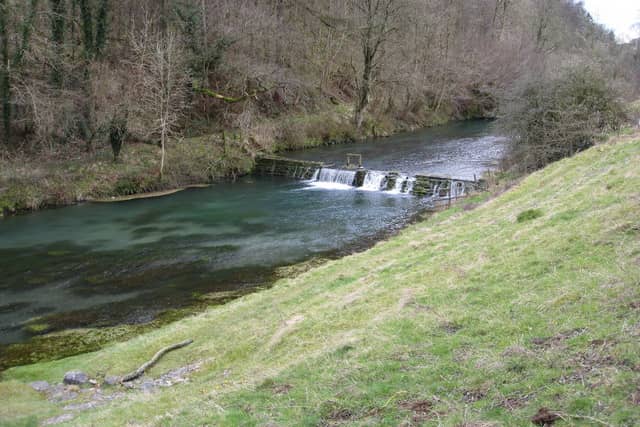


Over the decades scores of villages, towns and settlements have been lost in Derbyshire.
Some villages are commemorated by a nearby road being named after it, such as Ashe Lane or Mercaston Lane, even though the original settlements no longer exist.
Why have some Derbyshire villages vanished?
Some villages have been moved as landowners wanted to make extensive changes to layout of the land.
Decisions made by large establishments such as water companies also impacted the old villages of Derwent and Ashopton.
Both of these villages paved the way for Ladybower Reservoir, regarded as a solution for the growing population’s need for fresh water.
In 1945 the creation of the reservoir led to the upheaval of countless lives.
Residents - dead and alive - were relocated to nearby settlements.
Bodies from the Derwent Church graveyard were exhumed and reburied in their new place of rest in a new village of Bamford.
Ultimately these villages became submerged in water and can now only be seen when the reservoir is dry in droughty summers.
Here are six deserted medieval villages that have been lost in time. Have you been to any of the sites? We would love to hear from you if so. Please email [email protected] and we’ll take a look.
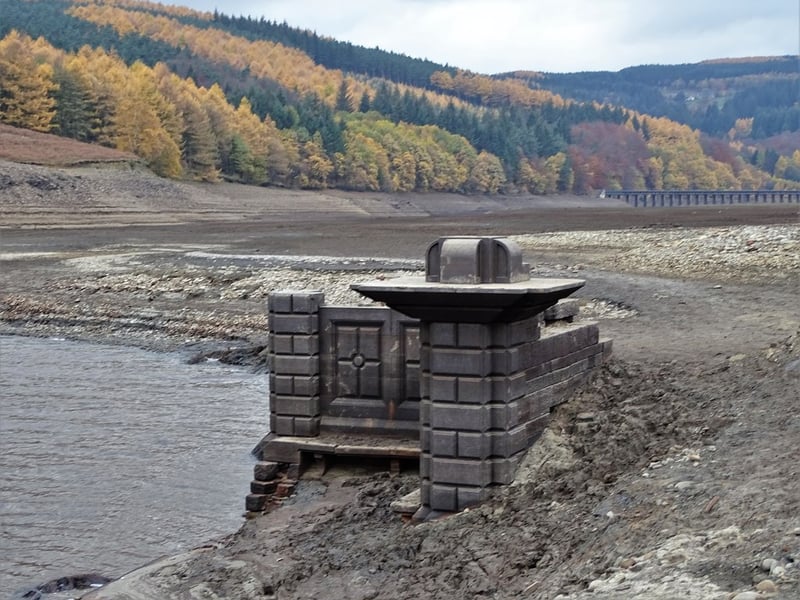
1. Derwent
Derwent and Ashopton were neighbouring villages with small populations. Both villages were flooded to make way for Ladybower Reservoir which opened in 1945. | Neil Theasby
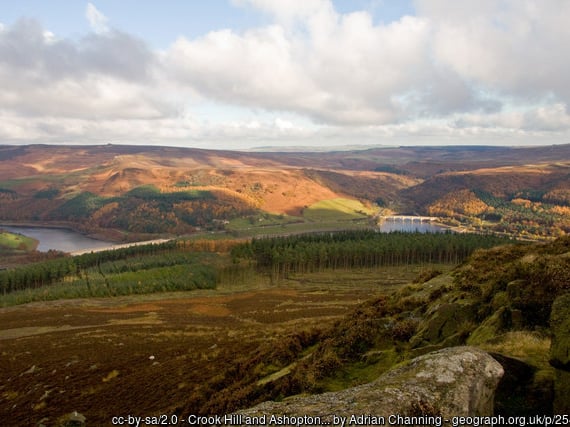
2. Ashopton
Ashopton had just 100 residents. A key part of the settlement was the Methodist Chapel built in 1840 but demolished in 1943 to make way for Ladybower Reservoir. Unlike Derwent village’s buried remains which often become visible when water levels drop, Ashopton is lost forever, as silt has permanently covered the old Ashopton buildings. | Adrian Channing
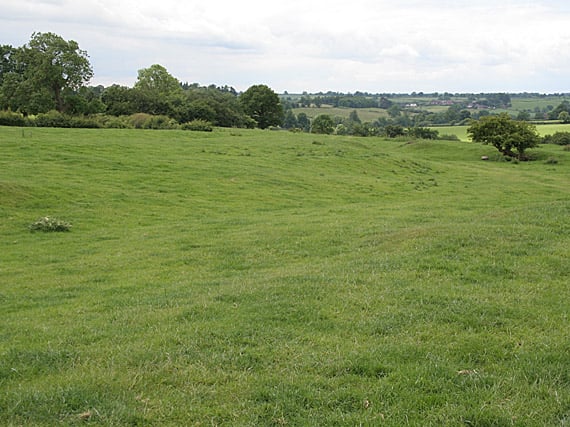
3. Hungry Bentley
Sitting between Derby and Uttoxeter, its unique name means ‘clearing with bent grass’. It has origins dating back to the 11th century and was worth 11 shillings, with Henry De Ferieres being one of the village’s first owners. According to Historic England the buried remains and abandoned medieval settlement of Hungry Bentley are well preserved and offer a vivid picture of the ancient village landscape. | Alan Murray-Rust
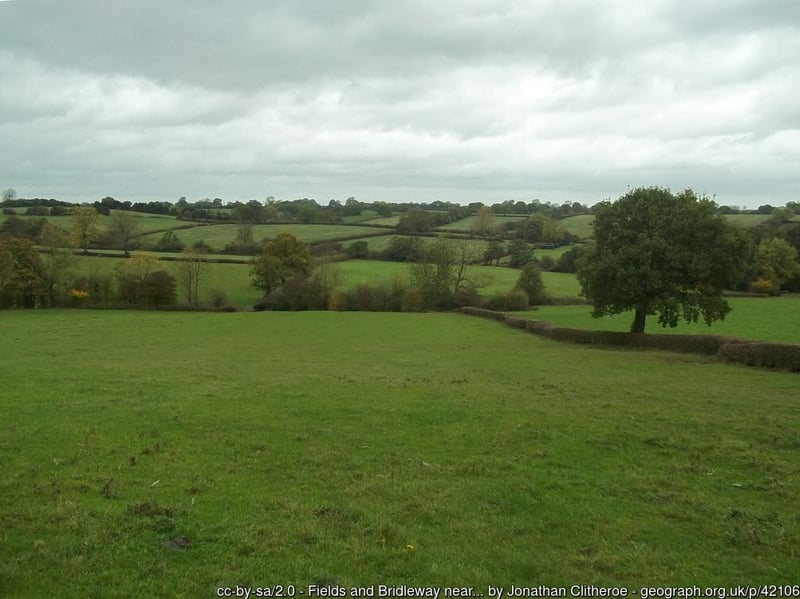
4. Alkmonton
Located around 5 miles south of Ashbourne, this Scheduled Monument was first mentioned in the Domesday Book of 1086. Today the monument includes buried remains and earthwork of the deserted areas of Alkmonton medieval settlement, including the open field system and chapel site. It is based on uneven ground on a south west facing slope, overlooking Alkmonton Old Hall Farm. | Jonathan Clitheroe