

Derby’s age makes the heritage-rich city one of the jewels in Derbyshire’s crown.
Founded by the Danes in the 9th century, the city has evolved over the centuries from Roman fort, to medieval market town and thriving city.
Today Derby is a leading industrial centre gaining international recognition for its part in manufacturing, textile production and engineering with giants including Rolls-Royce and Toyota calling the city its home.
Museums play a very important role is preserving history, however there are also plenty of sites dotted around Derby whose historical significance you may not be aware of.
Why not take a walk with us and dive into Derby’s forgotten history?
If you have any memories or old Derby photos that you would like to share, please do get in touch by emailing [email protected], we would love to hear from you.
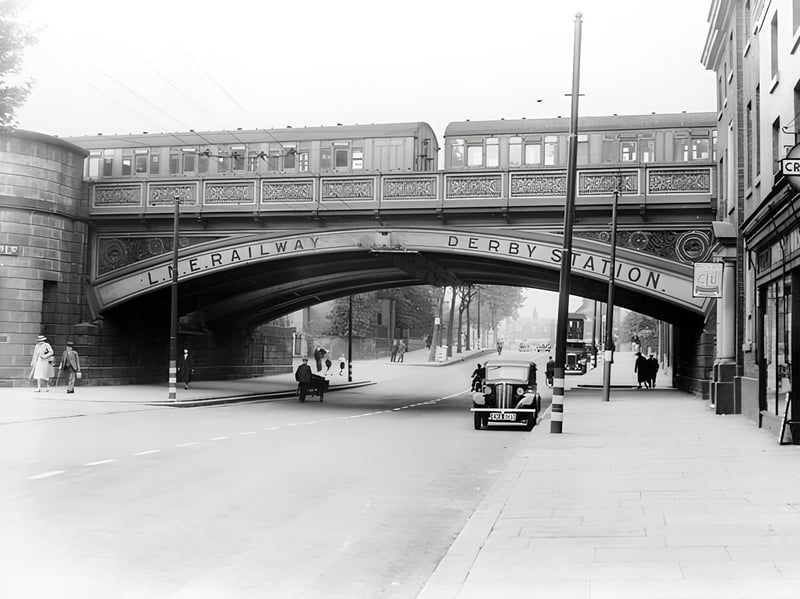
1. Derby Friar Gate Bridge
This photo of the Friar Gate Bridge was taken in the 1940s. This historic bridge is one of the last remaining railway souvenirs of the GNR Derbyshire and Staffordshire Extension, also known as the Friar Gate Line. Today the architecture enjoys Grade II Listed status. | Image courtesy of Derby Uncovered
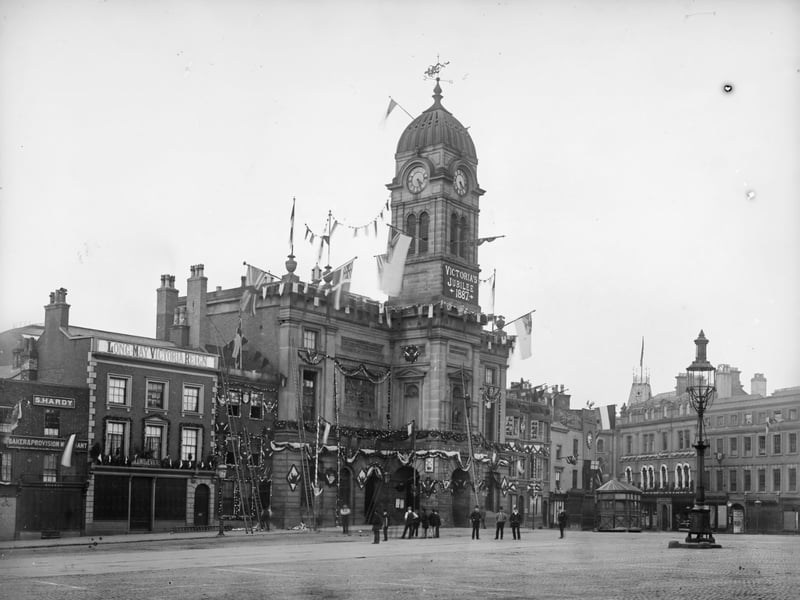
2. Derby Guildhall
The guildhall started off life as a wooden structure in 1500. Two centuries later it was turned into a stone guildhall which was completed by celebrated builder Richard Jackson in 1730. Over the years it has been used as a site accommodating the local council, then an arts venue where theatrical performances took place. The theatre closed in 2019 and has been shuttered ever since. Here is a photo of Derby Guildhall celebrating Victoria's Golden Jubilee in 1887. | Image courtesy of Derby Uncovered
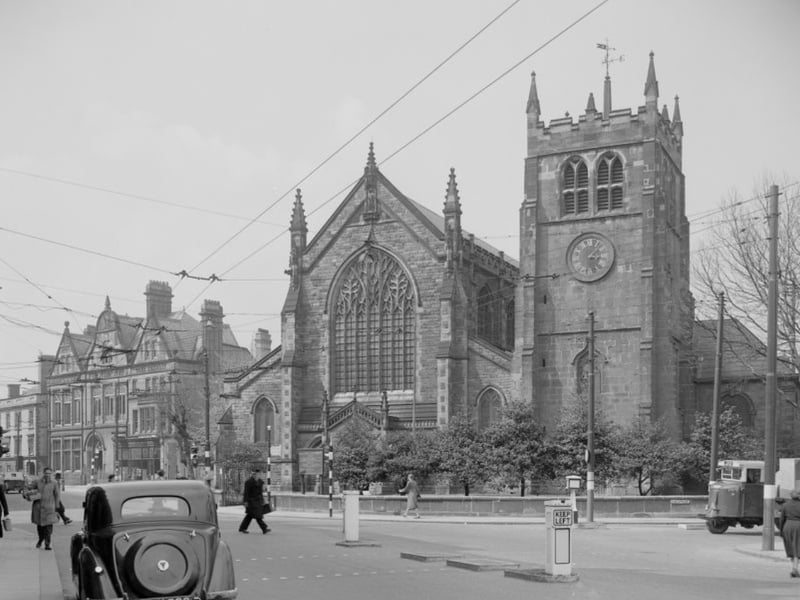
3. Derby St Werburgh's Church
The ancient 17th century grade II listed building has a fascinating history. It was the site where the world famous Dr Samuel Johnson - the forefather of dictionaries - married Elizabeth Porter in 1735. Here is a photo of Derby St Werburgh's Church tken in 1953. | Derby Uncovered
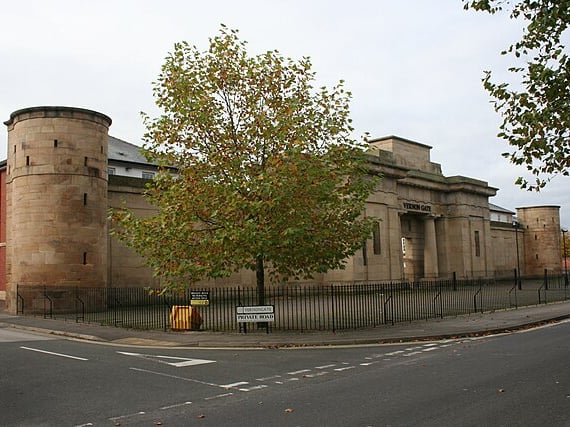
4. Derby Gaol
Derby Gaol is known for being one of the most haunted spots in the city. Its jaw-dropping history includes being used between 1756 and 1828 as a jail with a gallows directly outside. If you're feeling brave you can visit today and see if you can spend the night there for an organised 'lock in'. | Nigel Aspdin Photo: Nigel Aspdin, Derby, England