
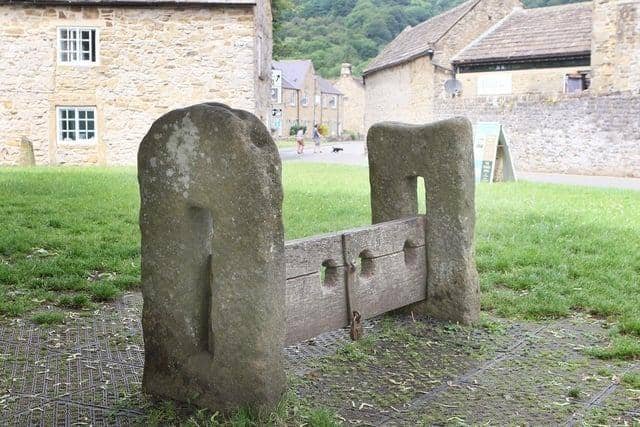


You don’t need to be a historian to know Derbyshire’s roots run deep.
Many villages and towns here are so ancient they were recorded in the Domesday Book of 1086 - and remarkably, they’re still thriving today.
The Domesday Book 1086 is a manuscript record of the Great Survey of much of England and parts of Wales completed in 1086 at the behest of William the Conqueror.
Read more: Ancient Derbyshire town mentioned in the Domesday Book is now 'quirkiest place in the UK'
While countless medieval settlements across England vanished into history, these places kept growing, adapting, and welcoming new generations.
We’ve rounded up some of the oldest towns and villages in Derbyshire and the Peak District that first appeared in the Domesday Book and remain full of life in 2025 - places where you can still walk the streets, explore the heritage, and feel part of a living history.
Here are 9 of the oldest parts of Derbyshire:
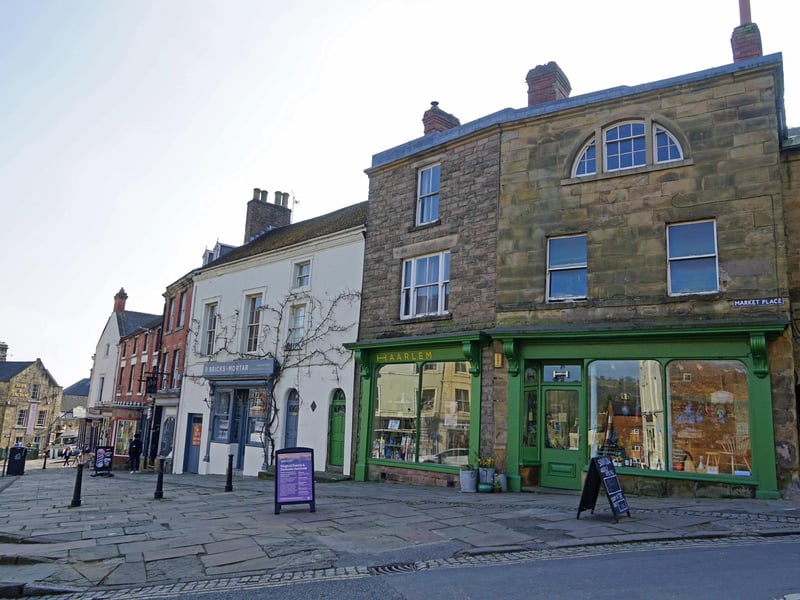
5. Wirksworth
This town, while not a village, is a historic market town with a strong lead mining heritage. It features Norman architecture in its church and has a charming character with winding alleys and cottages. Wirksworth was a settlement in Domesday Book, in the hundred of Hamston and the county of Derbyshire. It had a recorded population of 12.7 households in 1086 Photo: Brian Eyre
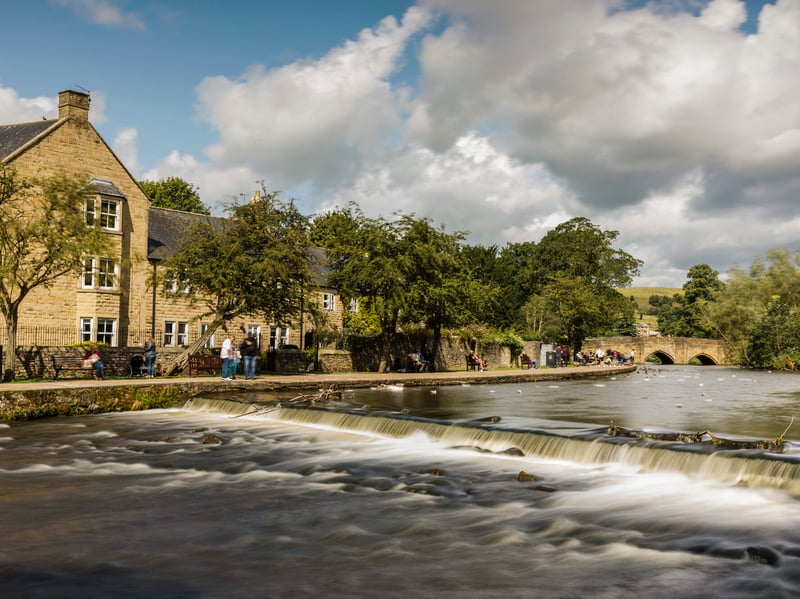
6. Bakewell
The bustling market town on the River Wye is said to be the largest settlement in the national park. From a 1,000-year-old market to stunning views and olde worlde charm, Bakewell charms visitors in all seasons. Known as the only market town within the Peak District National Park, Bakewell boasts a fine church spire and grand old houses, including the Old Town Hall and South Church Street's almshouses. Bakewell was a settlement in Domesday Book, in the hundred of Blackwell and the county of Derbyshire. It had a recorded population of 6.8 households in 1086 | Visit Peak District & Derbyshire
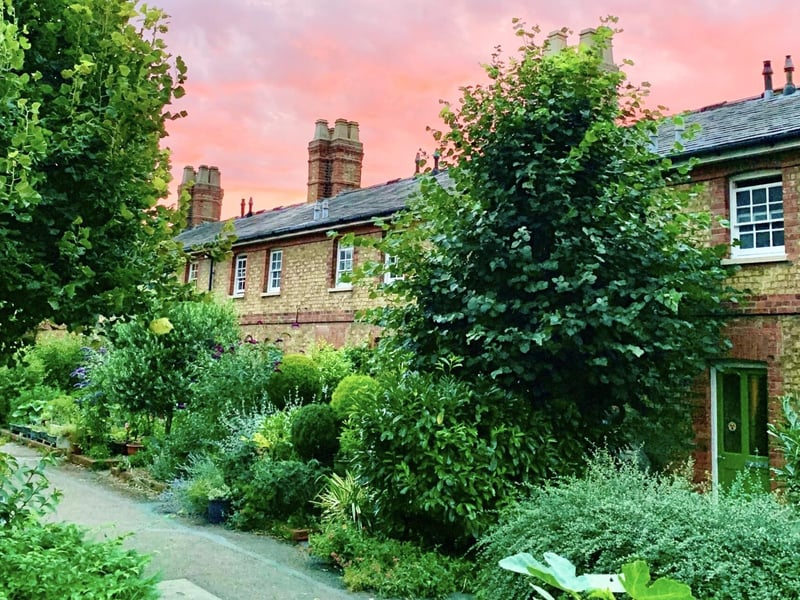
7. Bradwell
The pretty village of Bradwell is located in the lovely Hope Valley, in the heart of the Derbyshire Peak District, at the point where the White Peak and Dark Peak areas meet. Bradwell is said to be the place where a King of Mercia died in the Saxon period. Bradwell was a settlement in Domesday Book, in the hundred of Seckley and the county of Buckinghamshire. It had a recorded population of 13 households in 1086 Photo: Other third party
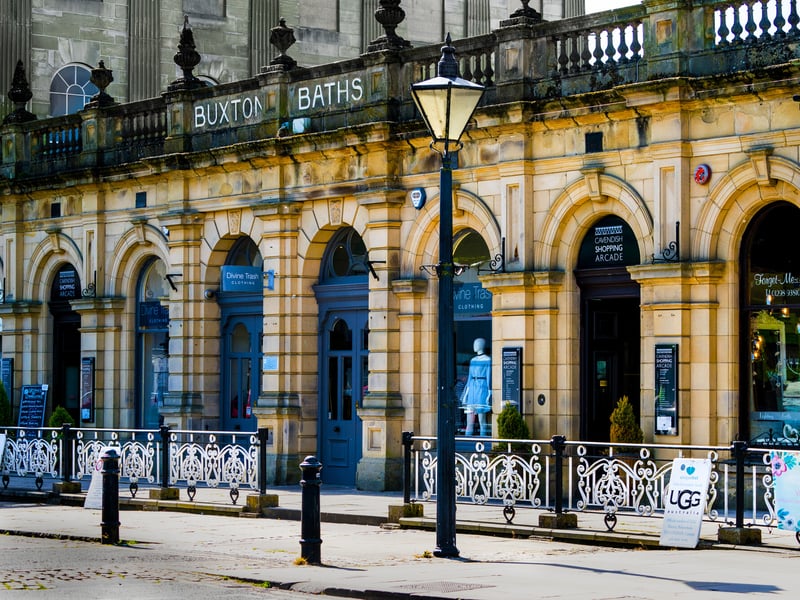
8. Buxton
Buxton is known for its spa waters, and the natural quality of the water was appreciated by the Romans and Elizabethans in turn. One of the most famous people to be drawn to Buxton to 'take the waters' was Mary, Queen of Scots, who came here while she was a prisoner at nearby Chatsworth House. It was the 5th Duke of Devonshire who developed St Ann's mineral springs in the 1780s to make Buxton a popular watering place for fashionable society. Buxton was a settlement in Domesday Book, in the hundred of South Erpingham and the county of Norfolk. It had a recorded population of 34 households in 1086 | Visit Peak District & Derbyshire