

You don’t need a history degree to know Derbyshire and the Peak District are packed with heritage.
Sure, plenty of old roads and buildings have disappeared over time, but dig a little deeper and the area’s rich past comes alive.
We’ve picked out the oldest places in Derbyshire and the Peak District where you can still live, visit, and soak up the history in 2025.
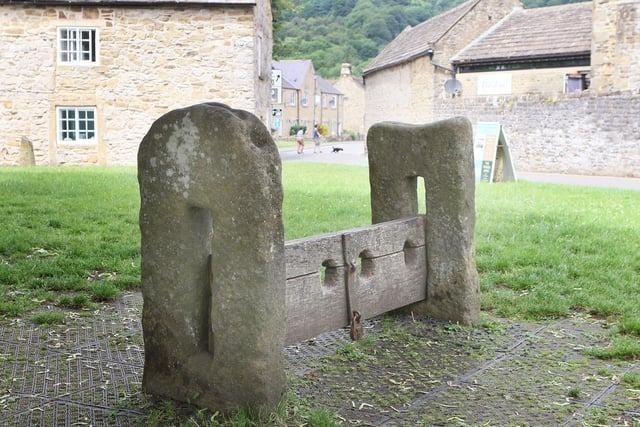
1. Eyam
While known for the plague outbreak in 1665, Eyam has a history predating this event. Evidence suggests early occupation by ancient Britons on the surrounding moors, with Roman lead mining activity, and later Anglo-Saxon settlement. The village's response to the plague, choosing to isolate itself to prevent its spread, is a significant part of its history. Eyam was a settlement in Domesday Book, in the hundred of Blackwell and the county of Derbyshire. It had a recorded population of 19 households in 1086. Photo: Jason Chadwick
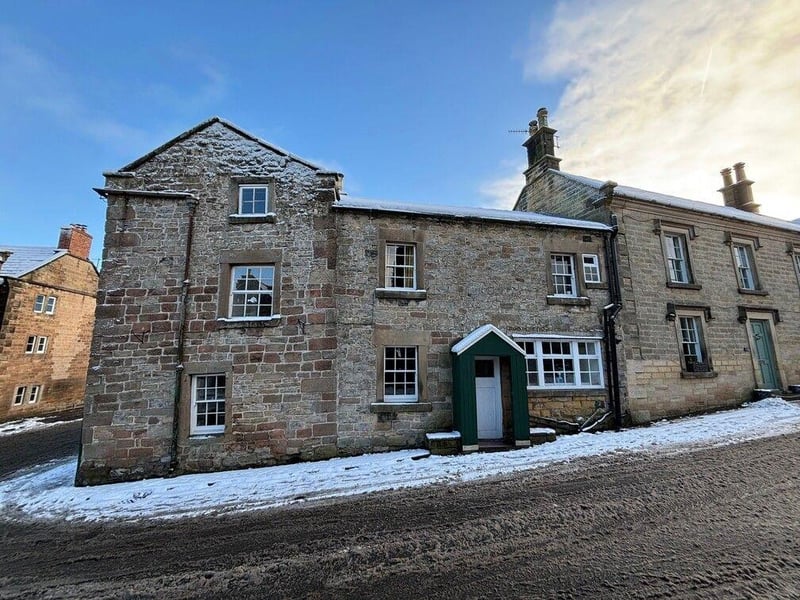
2. Winster
This village, nestled in the limestone hills, is known for its lead mining history, potentially dating back to Roman times. Winster was also a crucial crossing point for various roads and trackways, including the ancient trading route, The Portway. Winster was a settlement in Domesday Book, in the hundred of Hamston and the county of Derbyshire. It had a recorded population of 19 households in 1086. Photo: Submitted
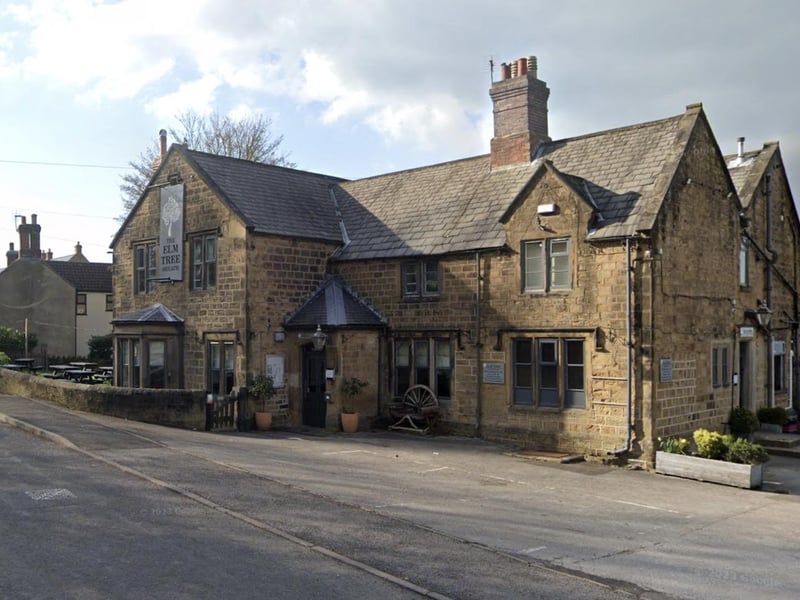
3. Heath
Heath's history as a farming village stretches back to the time of the Domesday Book. It has remained part of the Duke of Devonshire's estate, highlighting its long-standing connection to the land. The village of Heath in Derbyshire was listed in the Domesday Book of 1086 as being part of the Scarsdale wapentake, although the name associated with the location was more likely Lunt, Lund or Lound, which means a grove or clearing in a wood. The Domesday Book recorded the resources and value of the land, and later historical records show that the manor of Heath was given to the monks of Garendon Abbey by the Earl of Derby. Photo: Google
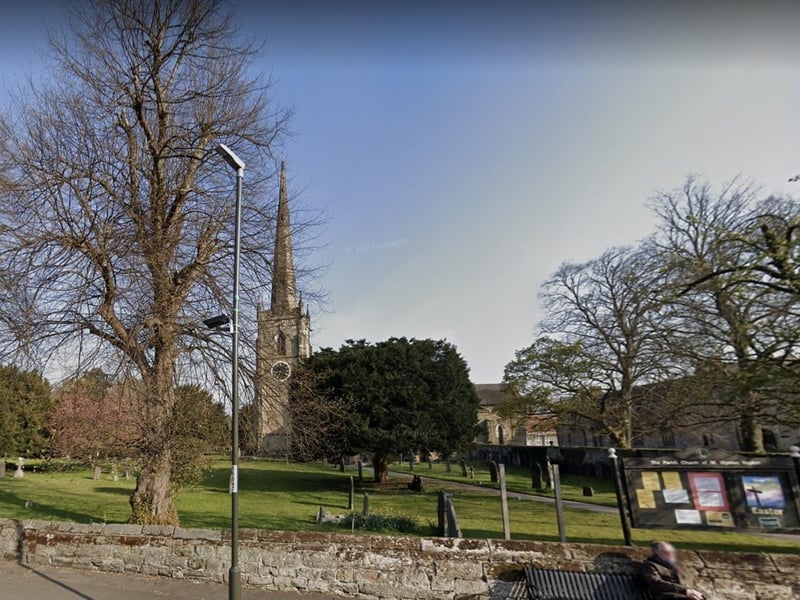
4. Repton - capital of medieval Mercia
Repton is the perfect place for anyone looking to delve into Britain’s medieval history. It was once the capital of the kingdom of Mercia, and notable landmarks include St Wystan's Church - where visitors will find an 8th century crypt built as a mausoleum for Mercian royals. Repton was a settlement in Domesday Book, in the hundred of Walecros and the county of Derbyshire. It had a recorded population of 21 households in 1086 Photo: Google