
Temperance movement building in Derby boasts fascinating history

Explore the historical significance of the Derby Temperance Hall, a testament to the 19th-century social movement against alcohol.
An ancient social movement that is largely forgotten comes into its own every year thanks to Dry January.
A Temperance Movement building in Derby where like-minded people used to gather over a hundred years ago, to abstain from alcohol, is still standing today.
The red brick Derby Temperance Hall on Curzon Street was designed by local architect Henry Stevens.
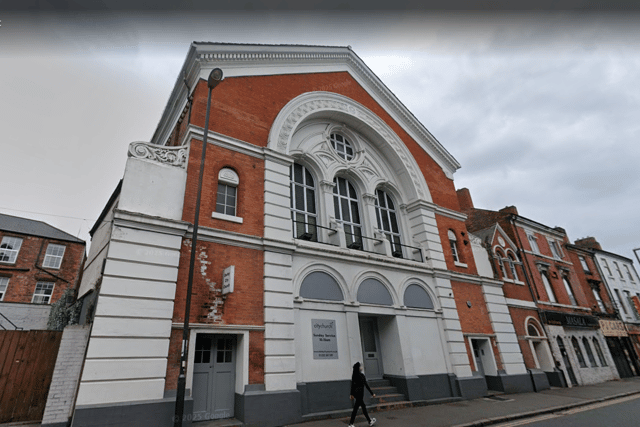

The hall opened in 1853 and over the years has changed uses, from abstinence landmark to cinema, dance hall and Conservative Headquarters.
Derby City Church was established in 1959. Today it is a church where a 400-strong congregation come together to pray in the city centre during a very busy Sunday service.
What is the Temperance Movement?
The traditional meaning of temperance means abstaining from alcohol, the act on which the Temperance Movement was based.
The 19th century social movement ran between 1880 and 1914, founded to counter the effects of alcohol abuse in the country.
There were very few places to accommodate this noble cause, as at the time, public halls were a rarity. Many gatherings and meetings took place at inns - the very places that sold alcohol which reformers were helping people to steer clear from.
Temperance reformers started fundraising with a view to get their own buildings, which is why there was a sudden proliferation of temperance halls sprouting up around the UK.
At the peak of the Temperance Movement there were around 500 Temperance hotels across the country. Today, the majority of the buildings have disappeared from the landscape and are deemed to be no longer culturally significant.