
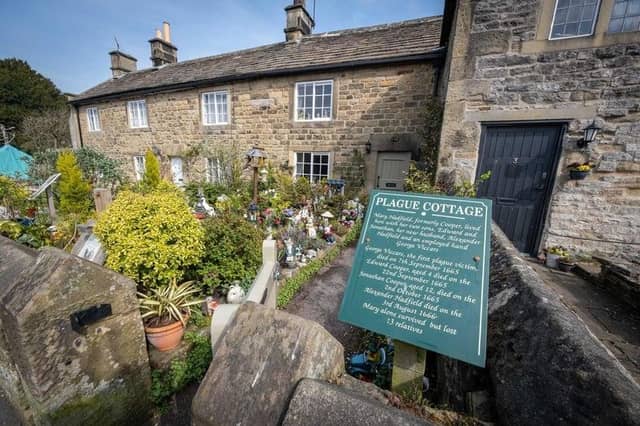


The village of Eyam is best known for the devastating plague outbreak of 1665-1666.
The disease - likely carried in a flea-infested bundle of cloth from London - arrived in the village, prompting an extraordinary act of self-sacrifice.
Under the leadership of Reverend William Mompesson and Thomas Stanley, the villagers voluntarily quarantined themselves to prevent the plague from spreading to nearby communities.
This decision came at a terrible cost. More than 250 residents died, but their sacrifice likely saved thousands beyond Eyam.
Historians estimate the village’s pre-outbreak population at 350 to 800.
Dr. Michael Sweet, a wildlife disease specialist at the University of Derby, noted the quarantine’s remarkable success.
By eliminating human-to-human contact with outsiders, the villagers likely prevented a much larger catastrophe.
Today, Eyam is a thriving, close-knit community that embraces its history.
Visitors can explore the Eyam Museum and key sites like the plague cottages, Mompesson’s Well (where supplies were exchanged without breaking quarantine) and the Riley Graves, where Elizabeth Hancock buried her family.
Beyond its tragic past, Eyam offers stunning countryside walks and a charming village atmosphere, making it a fascinating destination for history lovers.
Here are a few photos of the village.
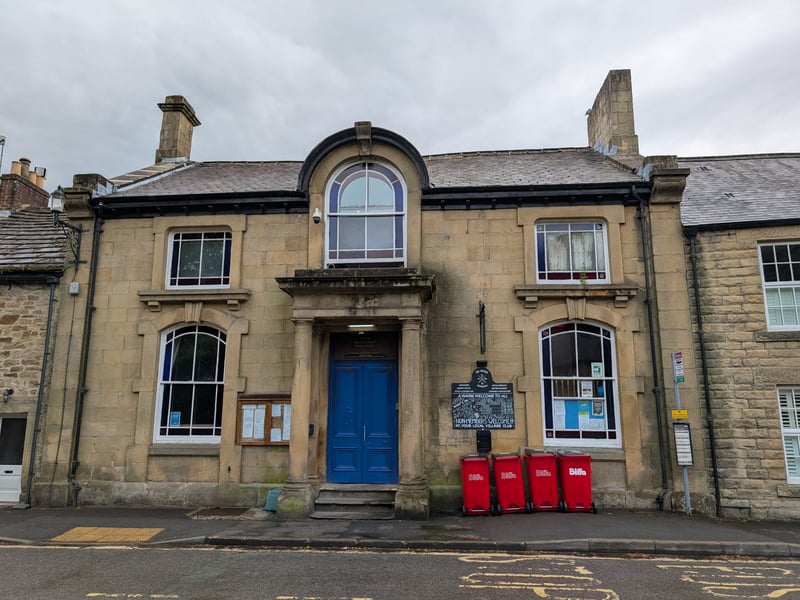
5. Mechanics Institute Eyam
The Mechanics Institute is home to Eyam Village Club that hosts activities for village folk such as keep fit, craft and social events. | Ria Ghei
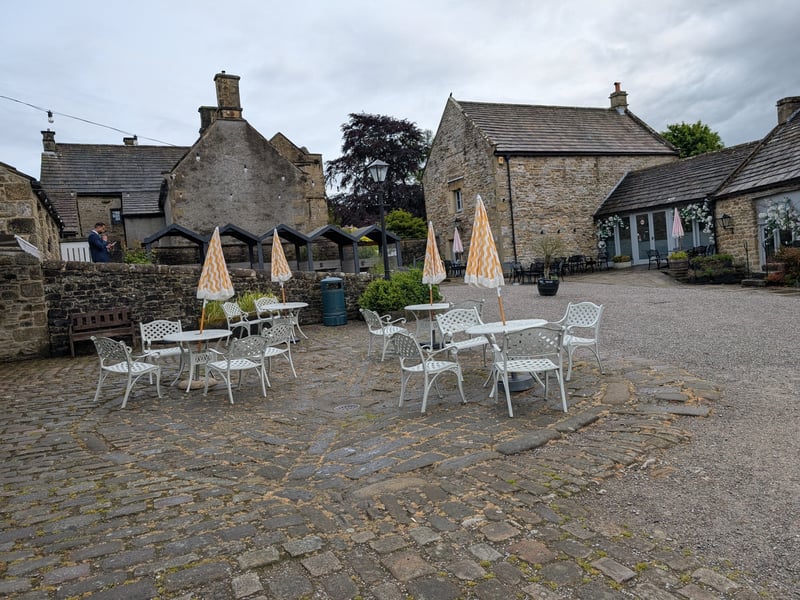
6. Eyam Courtyard Shops
The courtyard shopping area is a quaint space to grab a bite to eat and browse local produce. | Ria Ghei
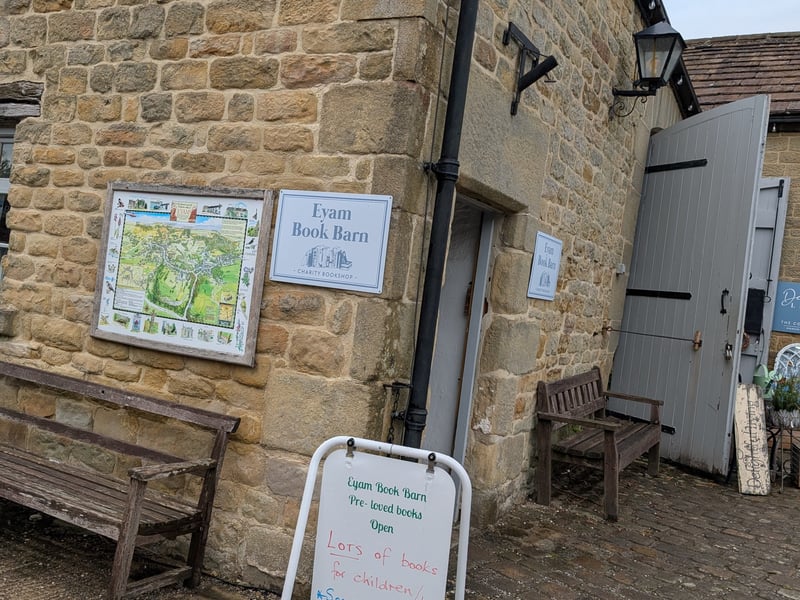
7. Eyam Book Barn
The Eyam Book Barn is a cosy, intimate space, which can be found in the courtyard. The charity store stocks plenty of books for people of all ages. | Ria Ghei
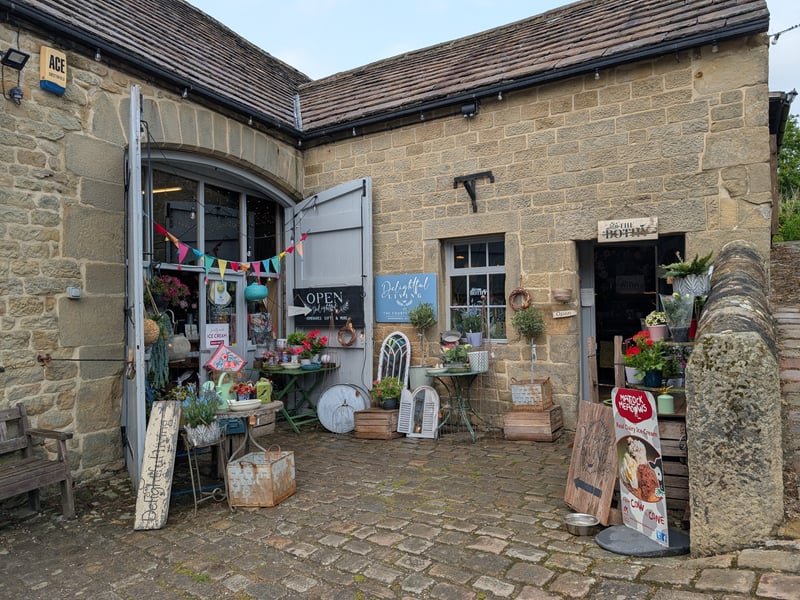
8. Delightful Living Eyam Courtyard
Delightful Living is a store overlooking Eyam Courtyard that is a haven, perhaps akin to Aladdin's Cave packed with pretty homewares, gifts and more. | Ria Ghei