
End of Derby City Council may be edging closure amid controversial merger plans
The future of Derby City Council hangs in the balance as contentious merger plans with other councils stir political drama and debate.
The end of Derby City Council could be nearing closer – but its likely dissolution may spark further drama and fall-out.
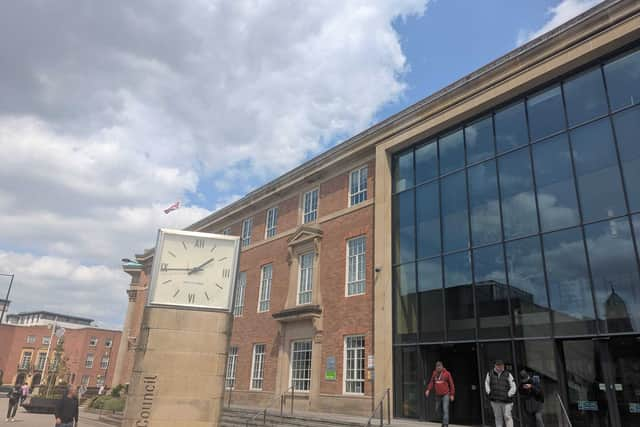

Meetings over the coming days could see the beginning of the end for the local authority, as we know it today.
There are massive changes in the pipeline for local government. This is because the Government wants to simplify the way in which councils operate locally.
The plans could see Labour-led Derby City Council merge with eight other councils to form a single “South Derbyshire” council. A “North Derbyshire” council could also be formed – splitting the whole county into two councils.
But the proposals have been contentious within Derby’s political sphere from day one.
One long meeting, delayed by 45 minutes due to behind-closed-doors talks, was declared a “shambles” by council leader Nadine Peatfield after it was voted to delay progress on the proposals.
Weeks later Derby councillors against LGR led a campaign calling for a local referendum. But it was quickly dismissed by the Government.
There was more controversy among opposition councillors when the council’s chief executive stepped in, under his legislative powers, so the city could move forward with talks with other councils. This was despite the vote to delay the process.
The next episode of drama could come later this week.
All city councillors will meet on Thursday (November 6) with a recommendation on the agenda to move the plans a step further ahead of an important deadline set for later this month.
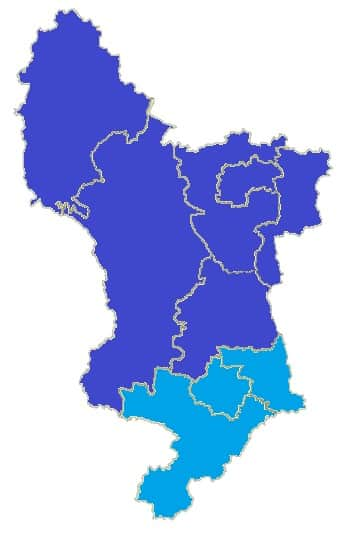
A joint statement from leaders of eight Derbyshire councils – including Derby City Council – said the proposal “will see a future where services are simpler, communities feel supported, and every part of our county thrives”.
It said: “We will unify Derbyshire’s current patchwork of policy, planning, and funding – paving the way for joined-up decision-making and localised support to better serve local needs.
“This is a hugely complex issue with a lot to consider. But – above all – we want every Derbyshire resident to share a sense of belonging and opportunity in a vibrant, prosperous county.”
The statement added it is estimated the merger would save millions of pounds. It adds: “Financial analysis within the final proposal forecasts cumulative savings of £167m in the first six years, and an annual saving of £44m from year six onwards.”
But opposition councillors in Derby fear the “biggest decision in decades” is a “giant red flag” for residents.
Conservative councillor Steve Hassall called it a “reckless experiment with our services, our money and our local identity”. He claims there is no evidence to suggest the merger can or will work.
The impact of local services is likely to play a major part in Thursday’s meeting. Derby’s services such as children’s care and Early Help have been praised enormously by Ofsted and the council has huge plans for regeneration moving forward following the success of its new Vaillant Live arena.
But would a merger with a wider geographical council compromise Derby’s own plans for the future?
However, it is fair to say its other key services in Derby alone have been stretched. There have been several reports of the number of streets having missed bin collections with stretched resources and staffing issues blamed.
It has been reported the council has been seriously exploring outsourcing its leisure services due to financial pressures.
However, despite the pressures, the city council’s finances were claimed by the council leader to be “outstanding”. This came after a report said the authority reduced a projected in-year overspend of £9.6 million to £3.9m.
It is likely to be debated that if Derby has been stretched with resources – what would it look like if a bigger council was formed? Would it solve problems or make things worse?
The final decision on whether Derby goes forward with the merger rests with the council’s Labour cabinet – not full council. This is another contentious issue. It is claimed this means many councillors will have “no final say” on the huge plans.
Derby’s Liberal Democrat group leader Lucy Care said: “We (executive scrutiny board and full council) have advice to give about something with no democratic mandate, and which we have no final say. The UK should be able to make our democracy more meaningful than this.”