


Eyam is best known for the devastating plague outbreak of 1665-1666.
The disease - likely carried in a flea-infested bundle of cloth from London - arrived in the village, prompting an extraordinary act of self-sacrifice.
Under the leadership of Reverend William Mompesson and Thomas Stanley, the villagers voluntarily quarantined themselves to prevent the plague from spreading to nearby communities.
This decision came at a terrible cost. More than 250 residents died, but their sacrifice likely saved thousands beyond Eyam.
By August 1666, the village was losing five or six people a day.
The exceptionally hot summer allowed the fleas to thrive, accelerating the spread of the disease.
Despite the suffering, nearly everyone honoured the quarantine.
Elizabeth Hancock, for example, buried her husband and six children within eight days - watched from a distance by fearful neighbours from Stoney Middleton, too afraid to help.
The final victim, Abraham Morten, died on November 1, 1666. In just over a year, 260 villagers from at least 76 families perished, giving Eyam a higher mortality rate than plague-stricken London.
Historians estimate the village’s pre-outbreak population at 350 to 800.
Dr. Michael Sweet, a wildlife disease specialist at the University of Derby, noted the quarantine’s remarkable success.
By eliminating human-to-human contact with outsiders, the villagers likely prevented a much larger catastrophe.
Mompesson, knowing the impact of their sacrifice, left Eyam in 1669 for Eakring, Nottinghamshire. However, the stigma of the "plague village" followed him - forcing him to live in isolation at Rufford Park until public fears subsided.
Today, Eyam is a thriving, close-knit community that embraces its history.
Visitors can explore the Eyam Museum and key sites like the plague cottages, Mompesson’s Well (where supplies were exchanged without breaking quarantine), and the Riley Graves, where Elizabeth Hancock buried her family.
Beyond its tragic past, Eyam offers stunning countryside walks and a charming village atmosphere, making it a fascinating destination for history lovers.
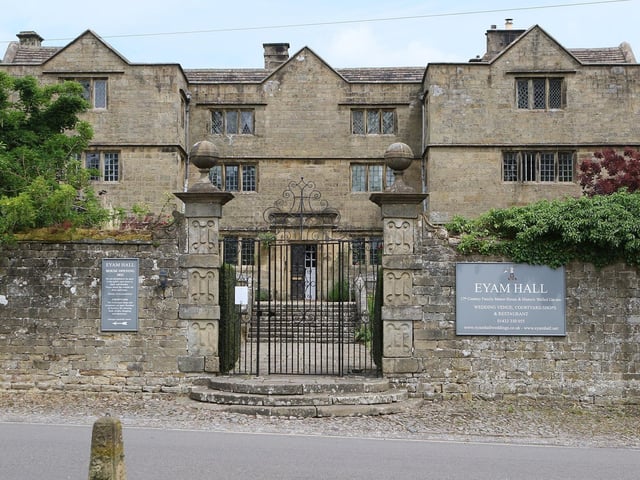
9. Eyam Hall
Eyam Hall is a stately home that forms another piece of the village's history. The Jacobean manor house was built in 1672, and was the home of the Wright family for many generations. You can now tour around this historical property or visit the craft shop and cafe in the picturesque courtyard. Photo: Derbyshire Times Photo: jason chadwick
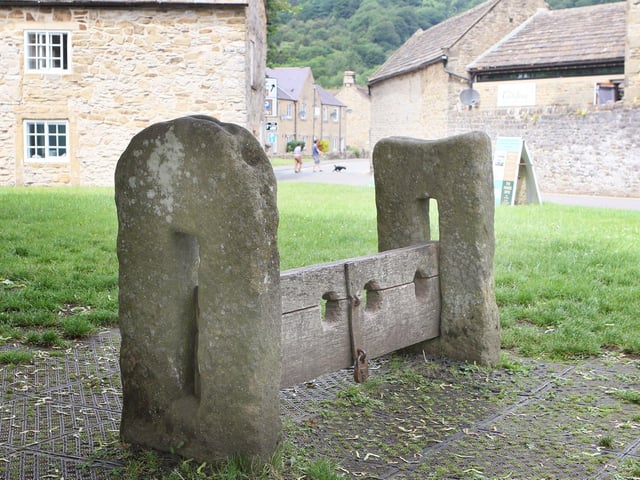
10. The Stocks
The old village stocks can be found on a grass verge across from Eyam Hall. In the past, village miscreants were held in these stocks by either there arms and legs as their fellow Eyam residents would pelt them with various foul things, like rotten vegetables and offal. Today it makes for a great photo opportunity for visitors. Photo: Derbyshire Times Photo: jason chadwick
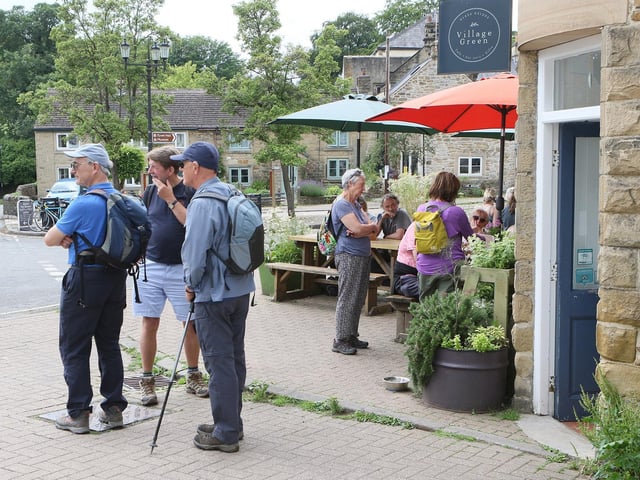
11. Eyam's visitors
Some of the many visitors that come to Eyam outside the popular Village Green Cafe. Photo: Derbyshire Times Photo: jason chadwick
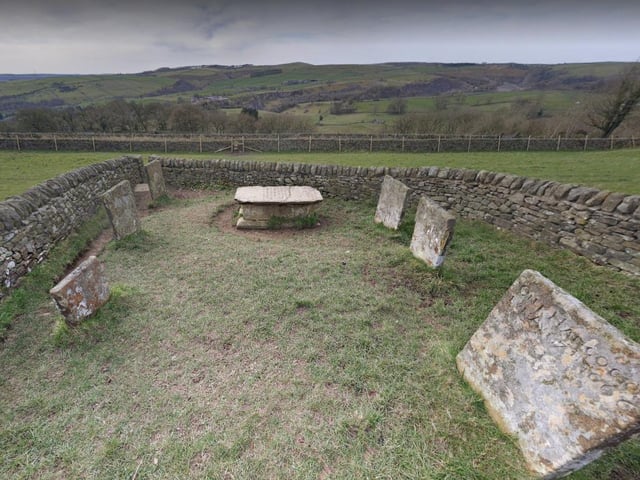
12. The Riley graves
The Riley graves are found in a field next to Riley Lane just outside of the village. The collection of headstones mark the resting place of the Hancock family who were each killed by the plague over a 12 day period in August 1966. They were buried together outside of the village to prevent further spread of the disease from their bodies which still carried the infection. Photo: Google Photo: 3rd party