

Beautiful bluebells will be bursting into bloom in woodlands across Derbyshire.
With spring now upon us, the prospect of longer days and warmer weather is a welcome one.
By the end of this month, once the clocks go forward, many parts of the UK will be able to enjoy daylight well into the evening.
Over the next couple of weeks, the blankets of snowdrops covering open spaces across the county will be joined by the deep violet of bluebells.
Flowering from mid-March to early May, bluebells are most commonly seen in woodlands, fields and parks.
The carpets of flowers provide a bright sight and a promise of warmer days ahead after the dark, cold days of winter.
Here are the best spots in the county to see bluebells as nature intended but make sure that you follow the guidance to protect these pretty flowers for future generations to enjoy.
Look but don’t touch: It is against the law to intentionally pick, uproot or destroy bluebells and carries a penalty of imprisonment or a fine of up to £5,000.
Watch your step: When bluebell leaves are crushed by footfall, they can die back from lack of food because they are unable to photosynthesise.
Almost half of the world’s bluebells grow in the UK and take a long time to establish a colony – around five to seven years from seed to flower.
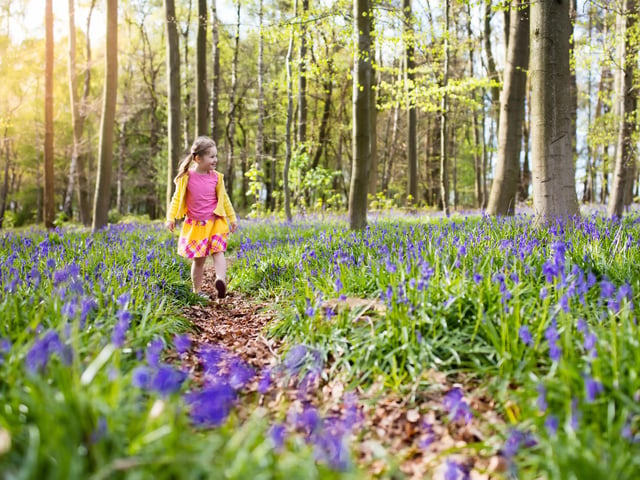
1. Westwood, Brimington
Wander through the ancient woodland at Brimington and look out for pretty little bluebells and giant wooden carvings (generic photo: Stock Adobe/Family Veldman). Photo: Adobe Stock/Family Veldman
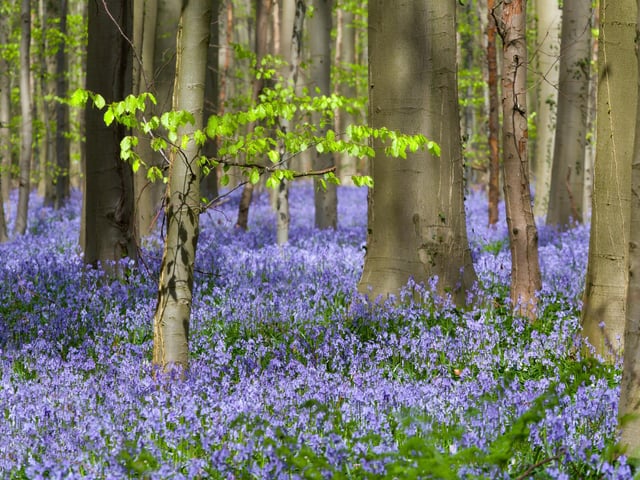
2. Linacre, Chesterfield
Beautiful bluebells grow in abundance in woodlands near Linacre Reservoirs, Chesterfield (generic photo: Adobe Stock/Anneke Schram) Photo: Adobe Stock/Anneke Schram
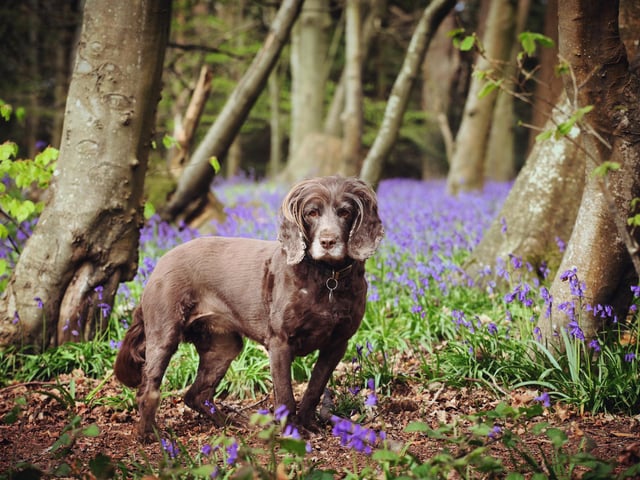
3. Lea Wood, near Cromford
Bluebells carpet the ancient Lea Wood, near Cromford every spring. Park your vehicle at High Peak Junction car park and access the woodland at Aqueduct Cottage which overlooks the Cromford Canal (generic photo: Stock Adobe/Alexandra) Photo: Stock Adobe/Alexandra
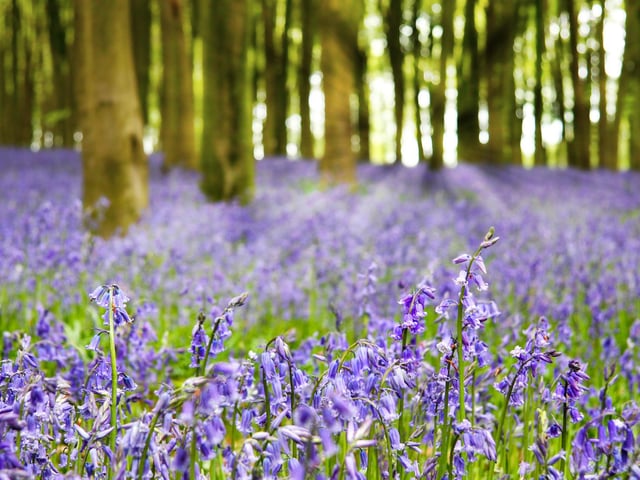
4. Renishaw Hall, near Eckington
Adults can admire the English native bluebells while children have fun in the woodland play area of the gorgeous 20-acre Renishaw Hall estate which boasts stunning Italianate gardens (generic photo: Stock Adobe/Jane Rix). Photo: Stock Adobe/Rixie