
The little known meaning behind Derby's name that dates back to the Vikings
Our football club might be called The Rams but a very different animal inspired our city’s name
Derby is a historic city in the East Midlands.
While it might not be as large and in charge as its neighbours (we’re looking at you Nottingham and Leicester), Derby has its own unique charms, making it unlike anywhere else in the UK.
And that extends beyond its geography, to the very heart of the city - its name.
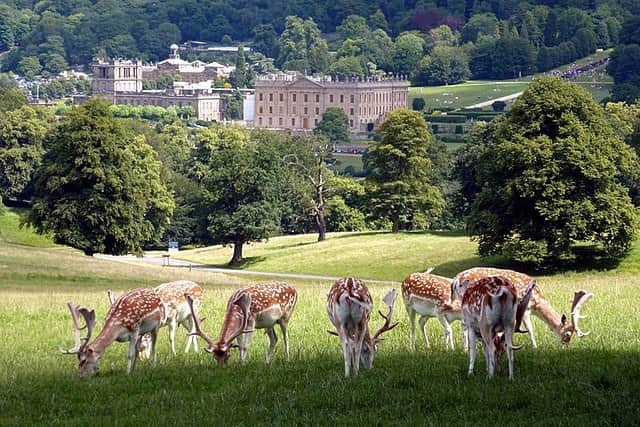
The name "Derby" is believed to have Anglo-Saxon origins. It is thought to derive from the Old Norse word "djúr" meaning deer and the Old English word "býr" meaning settlement or village.
Therefore, "Derby" likely means "deer settlement" or "village where deer roam."

The presence of deer in the region may have been significant enough to influence the naming of the settlement.
During its turbulent early history, Derby was also settled by the Saxons, Vikings, and Normans, all of whom had a lasting impact on the area.
After the Saxons captured the fortified settlement of Derby from the Vikings, it flourished becoming important for trade and craft with both a mint and a market.
Its population grew steadily during the medieval period, with a prominent wool industry and leather workers making gloves and saddles. This was alongside the typical array of craftsmen, such as butchers, bakers, brewers, carpenters, and blacksmiths.