
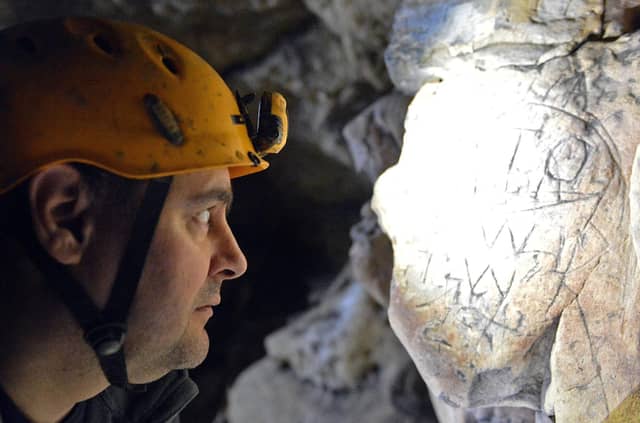


Derbyshire is built for escape. With rolling hills, dramatic peaks, and centuries of history carved into its landscape, this county delivers space to breathe and stories to uncover.
You’ll find sweeping views from high ridgelines, perfect for sunrise hikes or clearing your head. Deep valleys offer quiet trails where rivers cut through limestone and wildflowers edge the path. Woodland walks lead to unexpected ruins, while open moors stretch out in every direction, untouched and untamed.
Historic estates blend grandeur with nature — sprawling gardens, crumbling stone walls, and long drives under ancient trees. Some places invite adventure: rock faces to climb, waters to sail, or windswept heights to conquer. Others pull you into the past, where echoes of revolution, royalty, and everyday lives still linger.
Whether you're walking forest paths, skimming stones across a quiet lake, or wandering through forgotten mills and moss-covered gardens, Derbyshire keeps you grounded — and always wanting to see what’s around the next bend.
It’s not just a place to visit. It’s a place to feel.
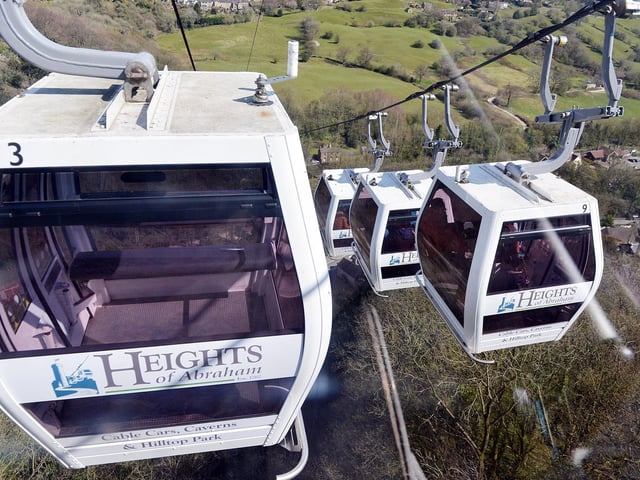
9. Visit Derbyshire’s ‘little Switzerland’
Matlock Bath is one of the most scenic villages in Derbyshire, and became a hotspot for significant historical figures after warm springs were discovered in the late 1600s. Lord Byron visited and compared the area to alpine Switzerland, and the nickname of ‘little Switzerland’ was born. There are plenty of things to do in the area - with the cable car at the Heights of Abraham a favourite among visitors. Photo: Brian Eyre
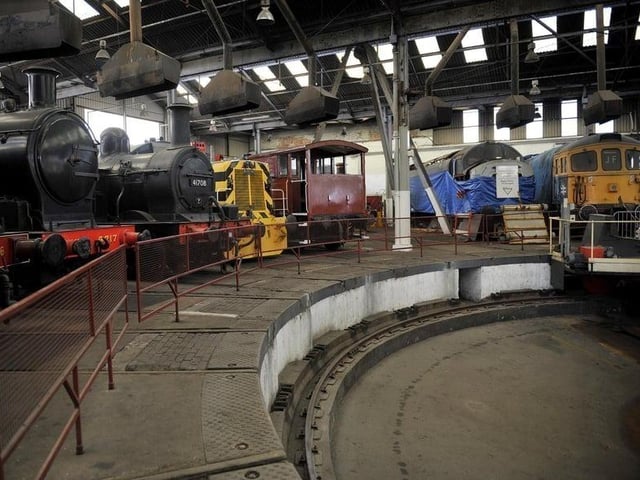
10. Take in a key part of the country’s railway history
Barrow Hill Roundhouse is the last surviving railway roundhouse in the UK with an operational turntable - making it a perfect place to visit for rail enthusiasts. Photo: Rachel Atkins
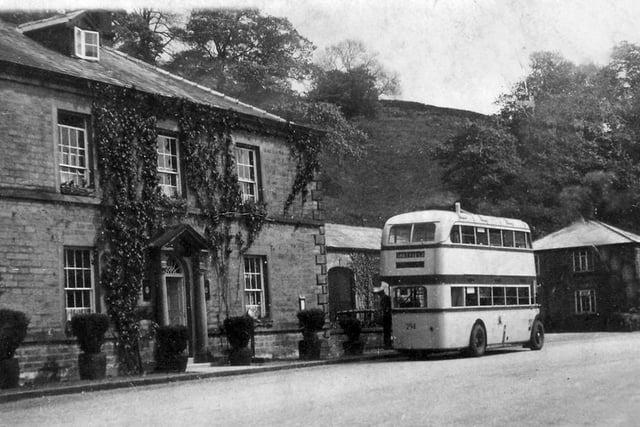
11. Try to spot the remains of Derbyshire’s flooded villages
When water levels at Ladybower Reservoir are low, walkers may be able to catch a glimpse of Derwent - a village that was flooded as part of the creation of the reservoir. Derwent and nearby Ashopton (pictured here) were small villages but had tight-knit communities - and Ashopton’s inn was a popular stop on the route between Sheffield and Glossop. In spite of fierce local opposition, each building in the two villages was bought compulsorily by the Derwent Valley Water Board. Residents of both villages were moved to Bamford and their homes demolished, before the area was flooded in 1945. Photo: DT
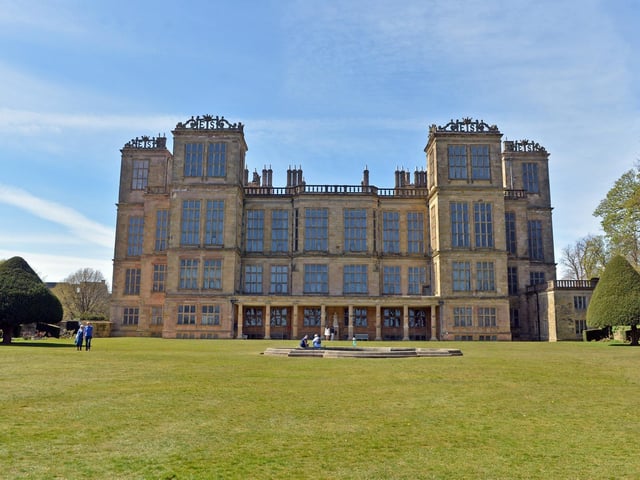
12. Visit the home of one of the area’s most significant historical figures
Hardwick Hall is a remarkable country house that was built for Bess of Hardwick - perhaps better known as the driving force behind the construction of Chatsworth House. Whether you want to delve into the history of the stately home, or enjoy its scenic grounds, there is plenty to do and see at Hardwick Hall. Photo: Brian Eyre