
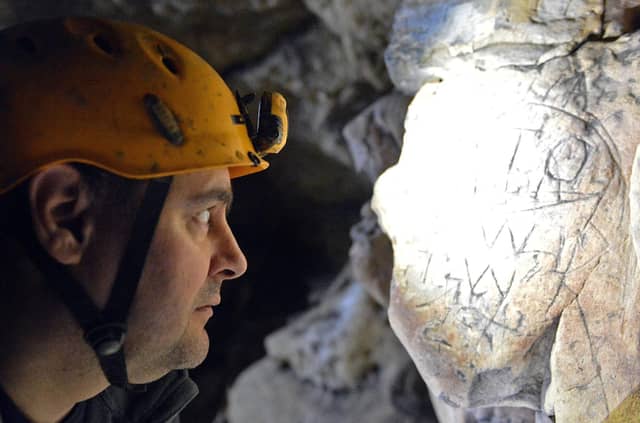


Derbyshire is built for escape. With rolling hills, dramatic peaks, and centuries of history carved into its landscape, this county delivers space to breathe and stories to uncover.
You’ll find sweeping views from high ridgelines, perfect for sunrise hikes or clearing your head. Deep valleys offer quiet trails where rivers cut through limestone and wildflowers edge the path. Woodland walks lead to unexpected ruins, while open moors stretch out in every direction, untouched and untamed.
Historic estates blend grandeur with nature — sprawling gardens, crumbling stone walls, and long drives under ancient trees. Some places invite adventure: rock faces to climb, waters to sail, or windswept heights to conquer. Others pull you into the past, where echoes of revolution, royalty, and everyday lives still linger.
Whether you're walking forest paths, skimming stones across a quiet lake, or wandering through forgotten mills and moss-covered gardens, Derbyshire keeps you grounded — and always wanting to see what’s around the next bend.
It’s not just a place to visit. It’s a place to feel.
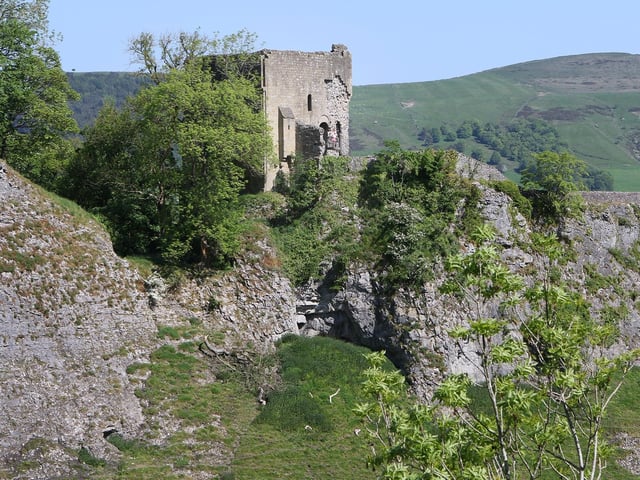
13. Visit the ‘Devil’s Arse’
The Peak Cavern can be found deep in the gorge below Peveril Castle. It is known colloquially as the Devil’s Arse - where else but Derbyshire can boast to have that on their doorstep? The cavern regularly hosts concerts, and an evening of carols even takes place in the run up to Christmas. Photo: jason chadwick
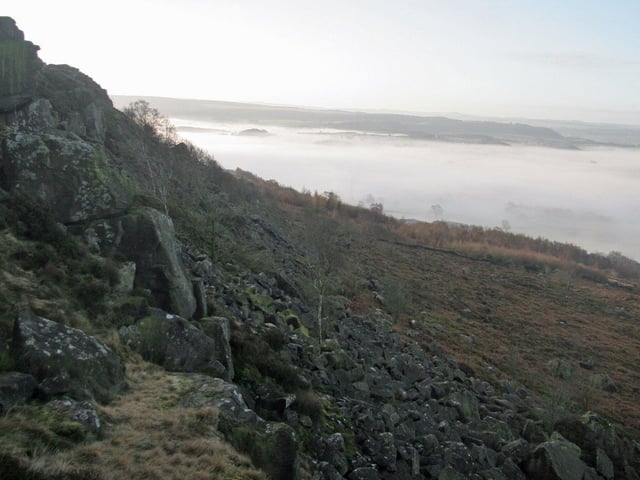
14. Visit the UK’s first national park
The Peak District National Park was founded in 1951, making it the first of the UK’s national parks and securing its unique place in the country’s history. Photo: RKH
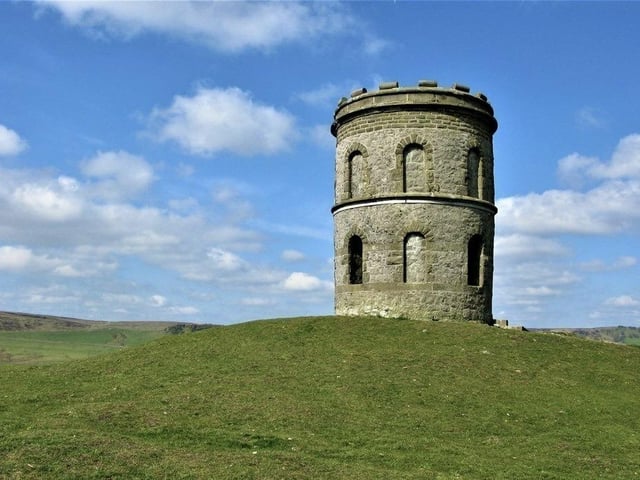
15. Visit a unique landmark in the hills above Buxton
Solomon’s Temple - otherwise known as Grinlow Tower - is situated in the hills above Buxton. The unique structure was built in 1896, with the support of the Duke of Devonshire, before being restored in the 1980s. Photo: cc-by-sa/2.0 - © G Laird - geograph.org.uk/p/6125321
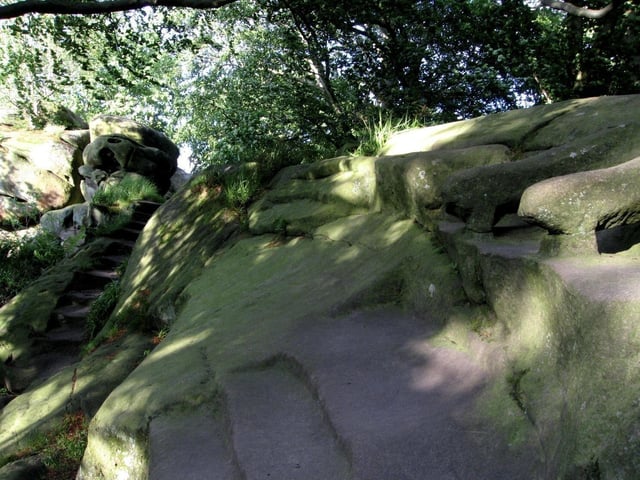
16. Visit the purported site of a druid community
The Rowter Rocks at Birchover have caves, rooms, tunnels, steps and even an armchair carved into the stone. Victorian tourists were lead to believe these were the work of an ancient Druid community - but were actually carved by a local man some 300 years ago. Even if the history of these rocks has been twisted, it is certainly still a unique attraction. Photo: cc-by-sa/2.0 - © Patrick Baldwin - geograph.org.uk/p/2818130